
Japchae, or Korean sweet potato noodle stir-fry, is a delightful dish that beautifully combines flavors, textures, and colors. Not only is it an eye-catching centerpiece for any meal, but it’s also an incredibly versatile dish that can be enjoyed as a main course or a side. The chewy sweet potato noodles, along with tender beef and fresh vegetables, create a satisfying, nutritious meal that’s both comforting and exciting to serve.
Why You’ll Love Japchae
- Quick and Easy: This recipe allows you to prepare a delicious meal in just about 30 minutes, making it perfect for busy weeknights.
- Customizable Ingredients: You can easily substitute or leave out ingredients based on your preferences and what you have on hand.
- Flavorful Sauce: The combination of soy sauce, honey, and sesame oil in the sauce adds a lovely umami richness that elevates the entire dish.
- Healthy and Nutritious: Packed with colorful vegetables like spinach, carrots, and mushrooms, it adds lots of essential vitamins and nutrients to your diet.
- Perfect for Meal Prep: Japchae keeps well in the refrigerator, making it a great option for leftovers or meal prep lunches throughout the week.
Recipe Overview
- Prep Time: 15 minutes
- Cook Time: 15 minutes
- Total Time: 30 minutes
- Servings: 4
- Difficulty Level: Easy
Ingredients You’ll Need for Japchae
- Noodles: 12 ounces sweet potato glass noodles
- Protein: 16 ounces beef or pork (cut into strips; flank, skirt, or ribeye work well, or use pork)
- Binding Agent: 2 large eggs (beaten)
- Vegetables:
- 1 large carrot (peeled and julienned)
- 1 medium yellow onion (thinly sliced)
- 3 mushrooms (thinly sliced, any type will do)
- 2 cups baby spinach (packed)
- 2 stalks green onion (cut into 1-inch pieces)
- Condiments:
- Oil (for cooking)
- 7 tablespoons light sodium soy sauce
- 3 tablespoons honey (or more brown sugar for a sweeter option)
- 2 tablespoons brown sugar (light or dark)
- 2 tablespoons toasted sesame oil
- Seasoning: Salt and black pepper to taste
- Garnish: Toasted sesame seeds (optional for garnish)
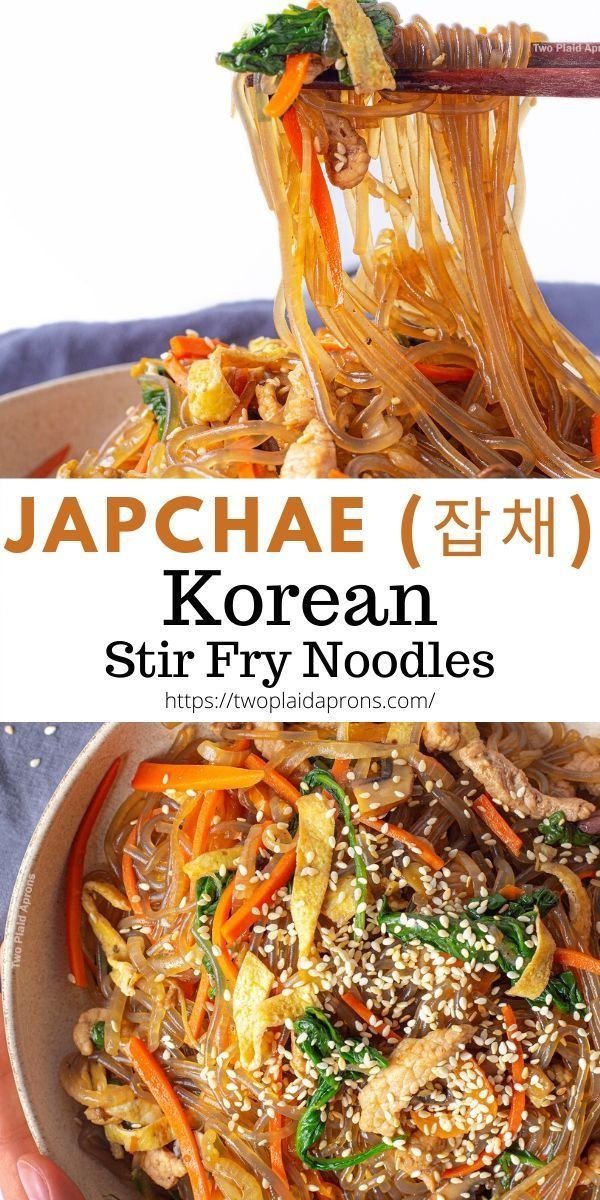
How to Make Japchae
- Prepare the Sauce: In a small bowl, mix together the soy sauce, honey, brown sugar, and sesame oil. Set the sauce aside for later use.
- Cook the Noodles: Bring a large pot of water to a boil. Add the sweet potato noodles and cook according to package instructions, usually about 10-15 minutes. Stir occasionally to prevent sticking. Once cooked, drain and rinse the noodles thoroughly with cold water. Drain well and set aside. For easier eating, you can cut them into shorter pieces with kitchen scissors.
- Make the Egg Crepe: Heat a small amount of oil in a large nonstick pan over medium heat. Pour in the beaten eggs and tilt the pan to spread them evenly. Cook until set, then flip to cook the other side briefly. Once done, cool slightly and slice the crepe into thin strips. Set aside.
- Cook the Protein: In the same pan, add a bit more oil and heat over medium-high heat. Season the beef or pork with salt and pepper. Add the meat to the pan and sear until golden brown and cooked through, about 4-5 minutes. Remove from the pan and set aside.
- Sauté the Vegetables: Again in the same pan, add a small amount of oil and cook the vegetables based on their cooking time. Start with the carrots (cook for about 30 seconds), then add the onions and the white parts of the green onions. Next, add the mushrooms, and finally, toss in the spinach. Cook until the vegetables are just tender, then remove from the pan.
- Combine Everything: In the same large pan, add the prepared sauce and bring it to a simmer over medium heat. Add the cooked noodles and stir until they are evenly coated in the sauce. Add the sautéed vegetables, seared protein, and egg strips. Toss everything together until well mixed.
- Serve: Portion the Japchae onto plates or serve it family style in a large dish. Garnish with sesame seeds if desired. Japchae can be enjoyed hot, warm, at room temperature, or even chilled.
Tips for Success
- Noodle Texture: Be careful not to overcook the sweet potato noodles, as they can become mushy. Aim for a chewy consistency.
- Ingredient Timing: Add vegetables to the pan in order of firmness: carrots first, followed by onions, mushrooms, and spinach last for the best texture.
- Control Seasoning: Taste the dish as you mix in the sauce to adjust the saltiness to your preference by adding a bit more or less soy sauce.
- Fresh Ingredients: Use fresh vegetables for the best flavor and texture. If something is not available, feel free to swap as needed.
Easy Variations
- Different Proteins: Substitute the beef or pork for shredded chicken or tofu to make this dish entirely plant-based.
- Spicier Kick: Add sliced chili peppers or a dash of red pepper flakes to give the dish a welcome spicy kick.
- Vegetable Boost: Include other seasonal vegetables like bell peppers, zucchini, or snap peas for added color and nutrients.
- Sweetness Adjustment: Feel free to replace honey with maple syrup for a vegan alternative or adjust the sweetness with more or less sugar depending on taste.
What to Serve with Japchae
- Korean Fried Chicken: Crunchy and flavorful, it complements the soft texture of the noodles.
- Kimchi: This tangy Korean staple adds a delightful contrast and enhances the meal with probiotics.
- Steamed Rice: Perfect for soaking up any leftover sauce, it balances the meal nicely.
- Sesame Broccoli: A simple side that adds crunch and nutrients while maintaining a similar flavor profile.
Storage and Reheating
- Refrigerator Storage: Store leftover Japchae in an airtight container in the refrigerator for up to 3 days.
- Freezer Storage: Freeze portions in airtight containers for up to 2 months. Thaw in the fridge overnight before reheating.
- Reheating: Reheat in a skillet over medium heat, adding a splash of water or broth to prevent sticking and enhance moisture.
- Meal Prep Note: This dish is great for meal prep; just keep the noodles and sauce separate until you’re ready to eat for the best texture.
Common Mistakes to Avoid
- Overcooking Noodles: Follow the package instructions carefully and check the noodles to avoid mushiness.
- Skimping on the Sauce: The sauce enhances the dish significantly; don’t be hesitant to use it generously for flavor.
- Underseasoning Vegetables: Lightly seasoning each addition while cooking will enhance the overall flavor and prevent bland pockets.
Japchae: Background & Cultural Inspiration
Japchae is a classic Korean dish often enjoyed during celebrations and special occasions. Its origins trace back to the 17th century, where it was traditionally made for royal feasts. The dish beautifully blends influences from various regions of Korea, making it a true testament to the diverse culinary culture. Its colorful appearance and rich flavors have made it a beloved dish not only in Korea but around the world. Japchae embodies the spirit of gathering and sharing, bringing people together at the dining table.
Frequently Asked Questions
Can I make Japchae ahead of time?
Yes, Japchae can be made ahead of time. Store it in an airtight container in the refrigerator and reheat when ready to serve. Just be cautious with the noodles, as they may soak up some of the sauce.
What can I substitute for sweet potato noodles?
If you can’t find sweet potato noodles, you can substitute them with glass noodles made from mung beans or even regular stir-fry noodles, though the texture will differ.
Can I add more vegetables?
Absolutely! Japchae is very versatile, and adding vegetables like bell peppers, zucchini, or even bean sprouts can create a more colorful and nutritious dish.
How spicy is this dish?
Japchae is typically not spicy but very flavorful. You can easily adjust the spice level by adding more chili pepper or red pepper flakes if you prefer heat.
What’s the best way to store leftover Japchae?
Store it in an airtight container in the refrigerator, ensuring it’s sealed tightly. For longer storage, freeze portions in airtight containers for later use.
Final Thoughts
Making Japchae is not only a fun and fulfilling cooking experience, but it also results in a beautifully flavorful dish that is sure to impress both family and friends. Its versatility makes it suitable for various occasions, from casual family dinners to festive gatherings. With its bright colors and delicious taste, Japchae is worth trying, and once you do, it’ll likely become a go-to favorite in your culinary repertoire. Enjoy your cooking!
PrintJapchae

A delightful Korean sweet potato noodle stir-fry that combines flavors, textures, and colors, perfect as a main course or side dish.
- Prep Time: 15 minutes
- Cook Time: 15 minutes
- Total Time: 30 minutes
- Yield: 4 servings
- Category: Main Course
- Method: Stir-frying
- Cuisine: Korean
- Diet: Non-Vegetarian
Ingredients
- 12 ounces sweet potato glass noodles
- 16 ounces beef or pork (cut into strips)
- 2 large eggs (beaten)
- 1 large carrot (peeled and julienned)
- 1 medium yellow onion (thinly sliced)
- 3 mushrooms (thinly sliced)
- 2 cups baby spinach (packed)
- 2 stalks green onion (cut into 1-inch pieces)
- Oil (for cooking)
- 7 tablespoons light sodium soy sauce
- 3 tablespoons honey
- 2 tablespoons brown sugar
- 2 tablespoons toasted sesame oil
- Salt and black pepper to taste
- Toasted sesame seeds (optional for garnish)
Instructions
- Prepare the sauce: In a small bowl, mix together the soy sauce, honey, brown sugar, and sesame oil. Set the sauce aside.
- Cook the noodles: Bring a large pot of water to a boil. Add the sweet potato noodles and cook according to package instructions, usually about 10-15 minutes. Stir occasionally. Drain and rinse thoroughly with cold water.
- Make the egg crepe: Heat oil in a large nonstick pan over medium heat. Pour in the beaten eggs and cook until set. Cool slightly and slice into thin strips.
- Cook the protein: In the same pan, heat oil over medium-high heat. Season the beef or pork with salt and pepper. Sear until golden brown, about 4-5 minutes. Remove from the pan.
- Sauté the vegetables: In the same pan, add oil and cook the vegetables starting with carrots, then onions, mushrooms, and spinach last.
- Combine everything: In the same pan, add the prepared sauce and simmer. Add the cooked noodles, sautéed vegetables, seared protein, and egg strips. Toss to mix.
- Serve: Portion onto plates or serve family style. Garnish with sesame seeds if desired.
Notes
Be careful not to overcook the sweet potato noodles for the best texture. Use fresh vegetables for optimal flavor.