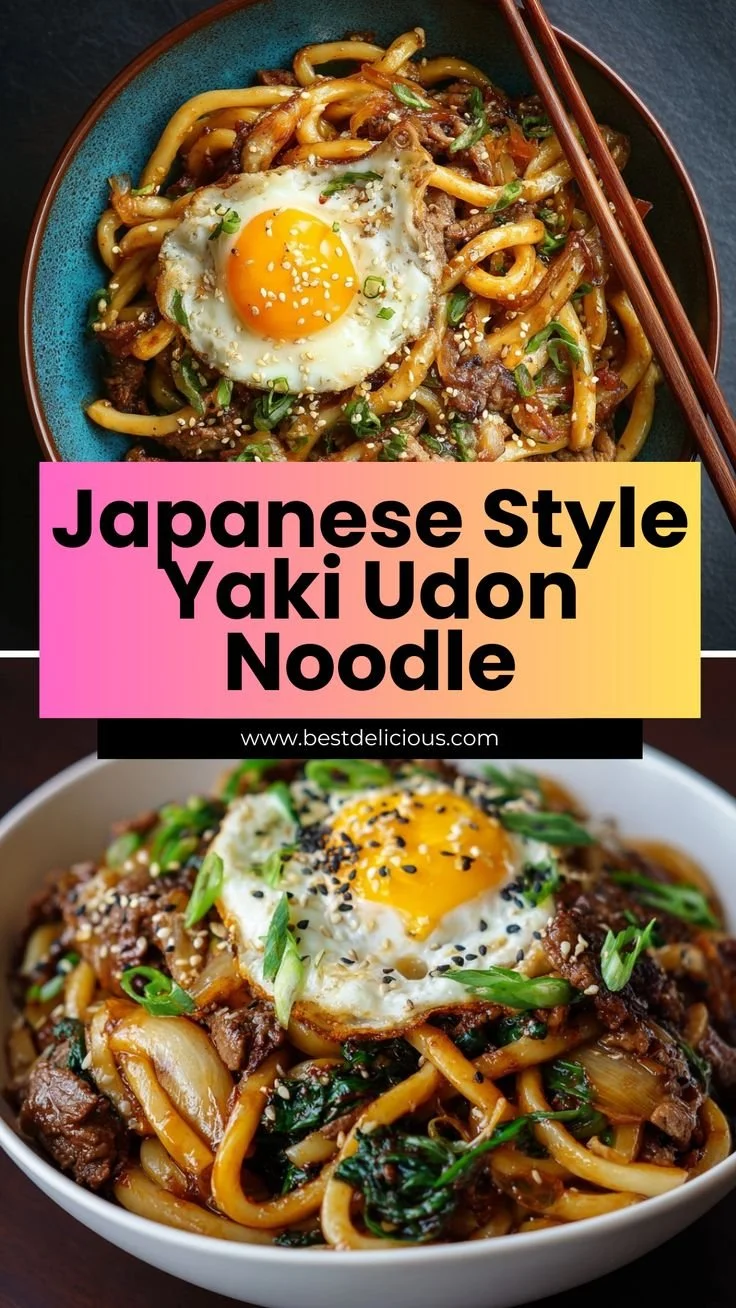
Yaki Udon is a comforting and flavorful Japanese stir-fried noodle dish that’s perfect for a quick weeknight meal. With its chewy udon noodles, vibrant vegetables, and your choice of protein, this recipe brings together a delightful combination of textures and tastes that everyone will love. Whether you’re an experienced cook or just starting, making Yaki Udon at home is satisfying and straightforward.
Why You’ll Love Yaki Udon
- Quick and Easy: Yaki Udon can be prepared in less than 30 minutes, making it a fantastic option for busy evenings.
- Customizable: You can easily swap out the protein and vegetables to suit your taste and dietary preferences.
- One-Pan Meal: This dish requires minimal cleanup since everything is cooked in a single pan or wok.
- Healthy Ingredients: Packed with vegetables and lean protein, it’s a nutritious meal that also feels indulgent.
- Great for Meal Prep: Yaki Udon stores well, making it a fantastic dish for preparing ahead of time.
Recipe Overview
- Prep Time: 10 minutes
- Cook Time: 10 minutes
- Total Time: 20 minutes
- Servings: 2
- Difficulty Level: Easy
Ingredients You’ll Need for Yaki Udon
- Noodles & Cooking Essentials:
- 200g udon noodles
- 1 tablespoon vegetable oil
- Protein Options:
- 100g protein (chicken, tofu, or shrimp)
- Vegetables:
- 1 cup mixed vegetables (bell peppers, carrots, broccoli)
- Sauces:
- 2 tablespoons soy sauce
- 1 tablespoon oyster sauce (optional)
- 1 teaspoon sesame oil
- Garnish:
- 2 green onions, chopped
- Sesame seeds for garnish
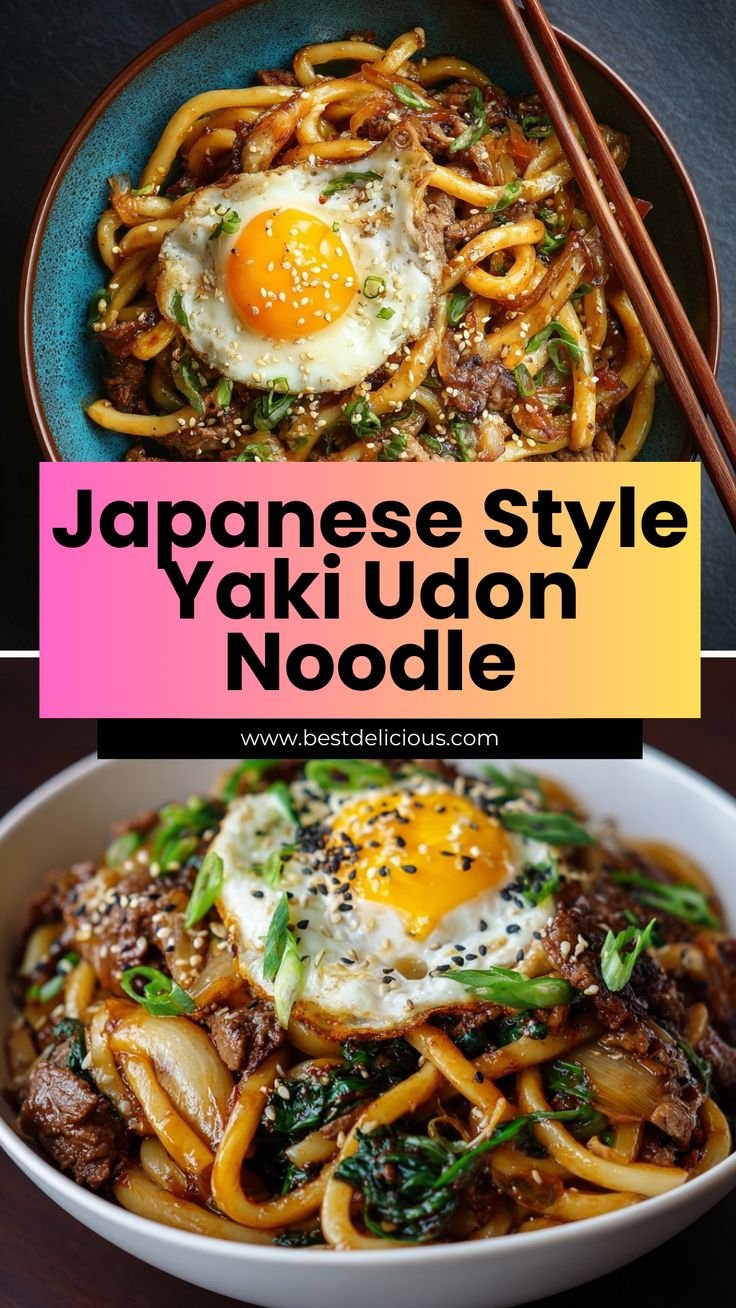
How to Make Yaki Udon
- Cook the Udon Noodles: Follow the package instructions to cook the udon noodles. Drain them and set aside.
- Heat the Oil: In a large pan or wok, heat the vegetable oil over medium-high heat until shimmering.
- Cook the Protein: Add your chosen protein to the pan. Cook until browned and cooked through, about 5-7 minutes. Remove from the pan and set aside.
- Sauté the Vegetables: In the same pan, add the mixed vegetables and stir-fry for 3-4 minutes until they are tender but still vibrant.
- Combine Ingredients: Add the cooked udon noodles, soy sauce, oyster sauce (if using), and sesame oil to the vegetables. Stir-fry for an additional 2 minutes, mixing everything well.
- Add Back the Protein: Return the cooked protein to the pan and mix all the ingredients thoroughly.
- Garnish and Serve: Top with chopped green onions and sesame seeds. Enjoy your Yaki Udon!
Tips for Success
- Cook the Noodles Perfectly: Follow the time on the package closely to avoid mushy noodles. Rinse them under cold water after draining to keep them firm.
- Variety of Vegetables: Feel free to use whatever vegetables you have on hand, such as snap peas, bok choy, or mushrooms.
- High Heat for Better Stir-Frying: Ensure your pan or wok is hot enough for stir-frying, which helps achieve the best texture.
- Don’t Overcrowd the Pan: If making a larger batch, cook in batches to maintain high heat and prevent steaming.
- Adjust Seasoning: Taste the dish before serving. You may want to add more soy sauce or a squeeze of lime for extra flavor.
Easy Variations
- Spicy Yaki Udon: Add a tablespoon of chili paste or sliced chili peppers for a spicy kick.
- Vegetable-Only: For a vegetarian option, skip the protein and increase the quantity of mixed vegetables.
- Noodle Swap: Use rice noodles or soba noodles for a different texture and flavor.
- Add Egg: Stir in a scrambled egg just before serving for added richness and protein.
- Herb Infusion: Mix in fresh herbs like basil or cilantro for a fresh twist on the traditional recipe.
What to Serve with Yaki Udon
- Spring Rolls: Crispy spring rolls complement the noodles well and add a crunchy texture.
- Miso Soup: A warm bowl of miso soup serves as a soothing starter or side.
- Edamame: Boiled and salted edamame offers a healthy snack or side dish.
- Japanese Pickles: Serve with pickled vegetables to provide a tangy contrast to the savory noodles.
Storage and Reheating
- Refrigerator Storage: Store leftovers in an airtight container in the fridge for up to 3 days.
- Freezer Storage: If appropriate, you can freeze Yaki Udon for up to a month. Thaw overnight in the refrigerator before reheating.
- Reheating Method: To preserve texture, reheat in a skillet over medium-low heat, adding a splash of water or broth to prevent sticking.
- Meal Prep Note: You can prep the ingredients ahead of time, chopping vegetables and cooking protein, storing everything separately until ready to prepare.
Common Mistakes to Avoid
- Undercooking Protein: Ensure your protein is fully cooked before adding the noodles back to the pan.
- Overcooking Vegetables: Keep an eye on the vegetables; they should be tender but still crisp.
- Too Much Sauce: Start with less sauce, you can always add more. Too much can lead to a soggy dish.
- Not Stirring Enough: It’s essential to keep everything moving in the pan to ensure even cooking and prevent burning.
Yaki Udon: Background & Cultural Inspiration
Yaki Udon is a beloved dish in Japanese cuisine, showcasing the versatility of udon noodles. These thick, chewy noodles are often found in various regional dishes across Japan. Yaki Udon combines influences from Chinese stir-fry, making it a popular choice in both homes and restaurants. It reflects the essence of comfort food, bringing together wholesome ingredients, deep flavors, and a beautiful presentation that appeals to many.
Frequently Asked Questions
Can I use dried udon noodles?
Yes, you can use dried udon, but cooking times may vary. Follow the package instructions for best results.
Is Yaki Udon gluten-free?
Traditional udon noodles are made from wheat flour, so they are not gluten-free. For a gluten-free option, try using rice noodles.
Can I make Yaki Udon ahead of time?
Yes, you can prepare Yaki Udon in advance and store it in the fridge or freezer. Reheat before serving for the best texture.
What if I don’t have oyster sauce?
If you don’t have oyster sauce, you can exclude it or substitute it with additional soy sauce for seasoning.
Can I customize the spice level?
Absolutely! You can add chili flakes or a spicy sauce to suit your taste preference when cooking.
Final Thoughts
Yaki Udon is not only easy to make but also offers a world of flavors and textures that everyone can enjoy. Its customizable nature allows you to create a dish that suits your family’s preferences perfectly. Whether it’s a comforting dinner or a delightful meal prep option, this recipe is worth trying. Dive into the world of Yaki Udon, and savor the delicious taste of home-cooked comfort.